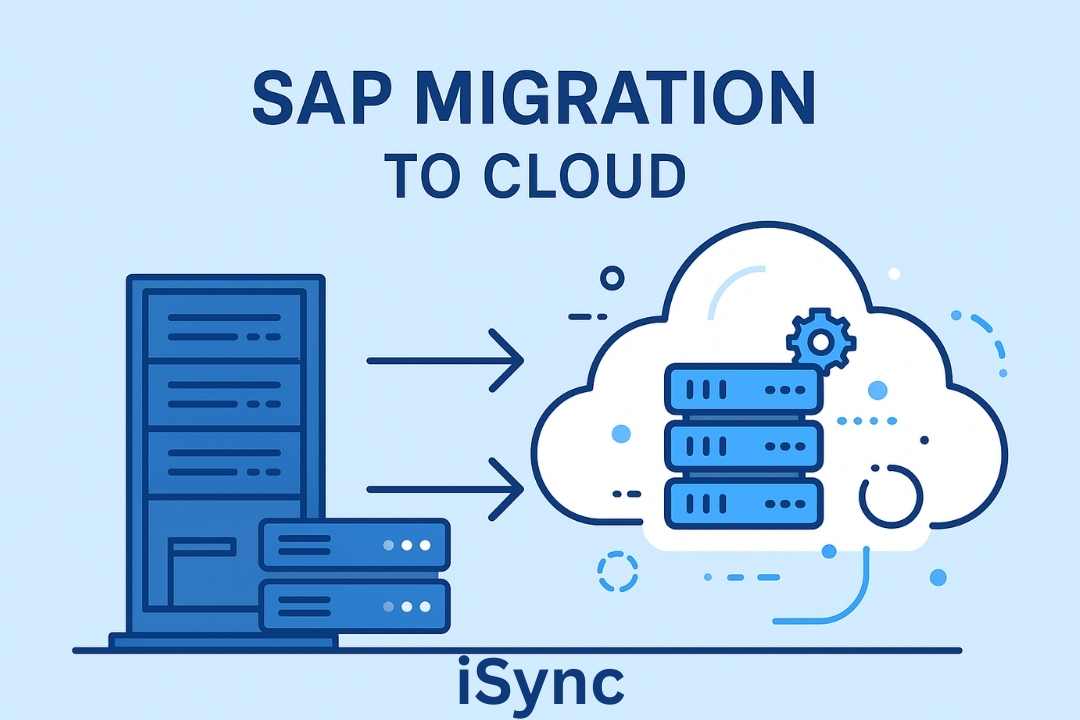
SAP Migration to Cloud
SAP cloud migration involves moving on-premise SAP systems, including applications and databases, to a cloud environment. This process can be a full migration or a partial one. It’s often part of a broader digital transformation strategy. The goal is to leverage the benefits of cloud computing, such as cost savings, scalability, and flexibility.
Key Aspects
Migrating SAP systems to the cloud is more than a technological upgrade — it’s a strategic transformation that empowers organizations to achieve greater agility, scalability, and operational efficiency. As businesses increasingly embrace digital-first models, cloud migration enables seamless access to advanced capabilities such as real-time analytics, automated workflows, and robust disaster recovery while reducing dependency on on-premises infrastructure. This transition involves careful planning across multiple dimensions — from defining clear business objectives and assessing current landscapes to choosing the right migration strategy and ensuring security and compliance at every step. By understanding these key aspects, organizations can navigate the complexities of cloud adoption, minimize risk, and maximize the value of their SAP investment in today’s dynamic business environment.
Cloud Providers: Companies can choose from various cloud providers, including Amazon Web Services, Microsoft Azure, and SAP’s own cloud platform.
SAP HANA Cloud: A key component of cloud migration is the migration of SAP databases to the cloud, which offers enhanced performance and scalability.
Cost Optimization: It can lead to cost savings by reducing infrastructure costs, optimizing resource utilization, and improving operational efficiency.
Phases of Migration: It typically involves several phases, including assessment, planning, preparation, development, database migration, testing, and go-live.